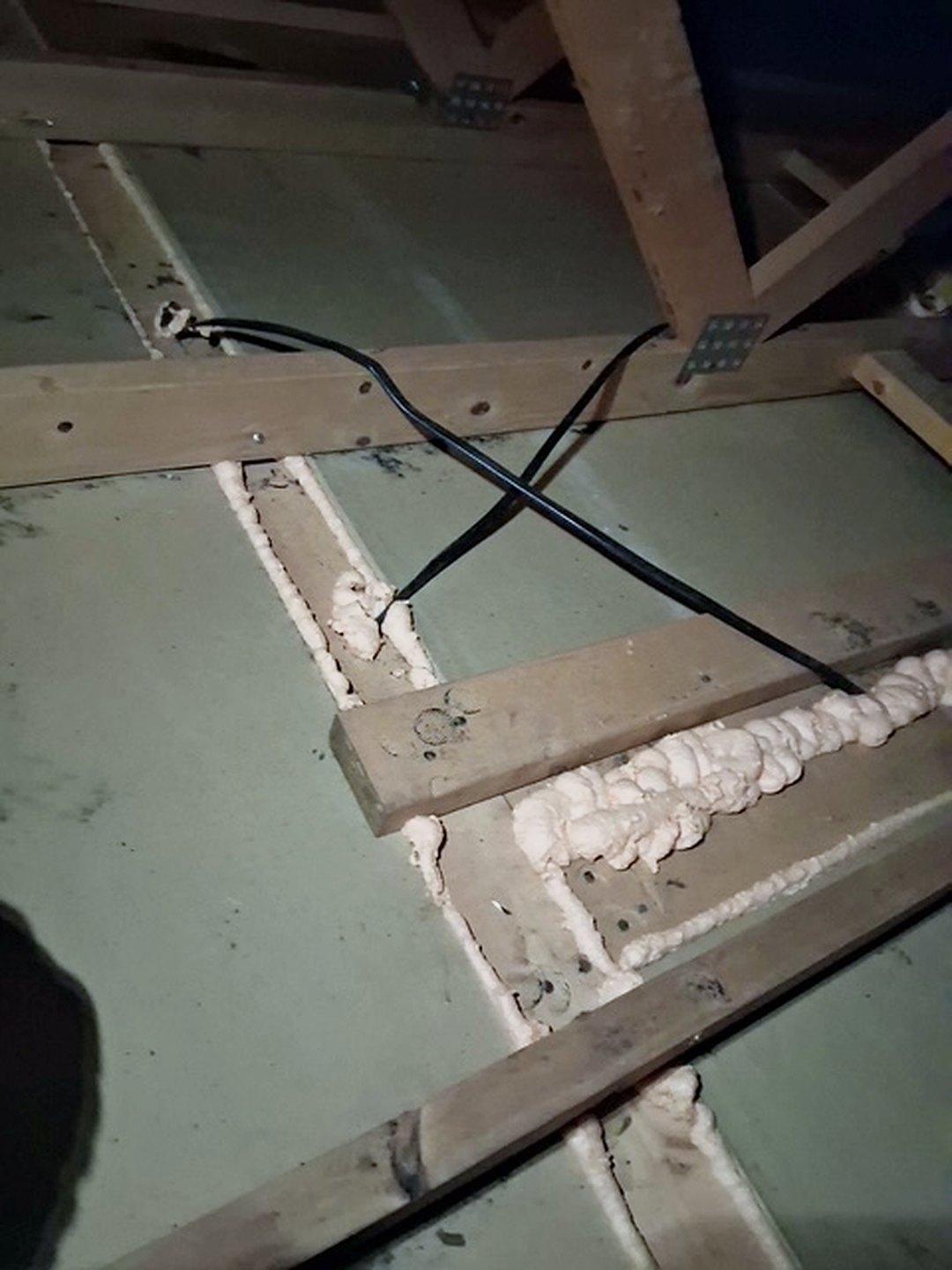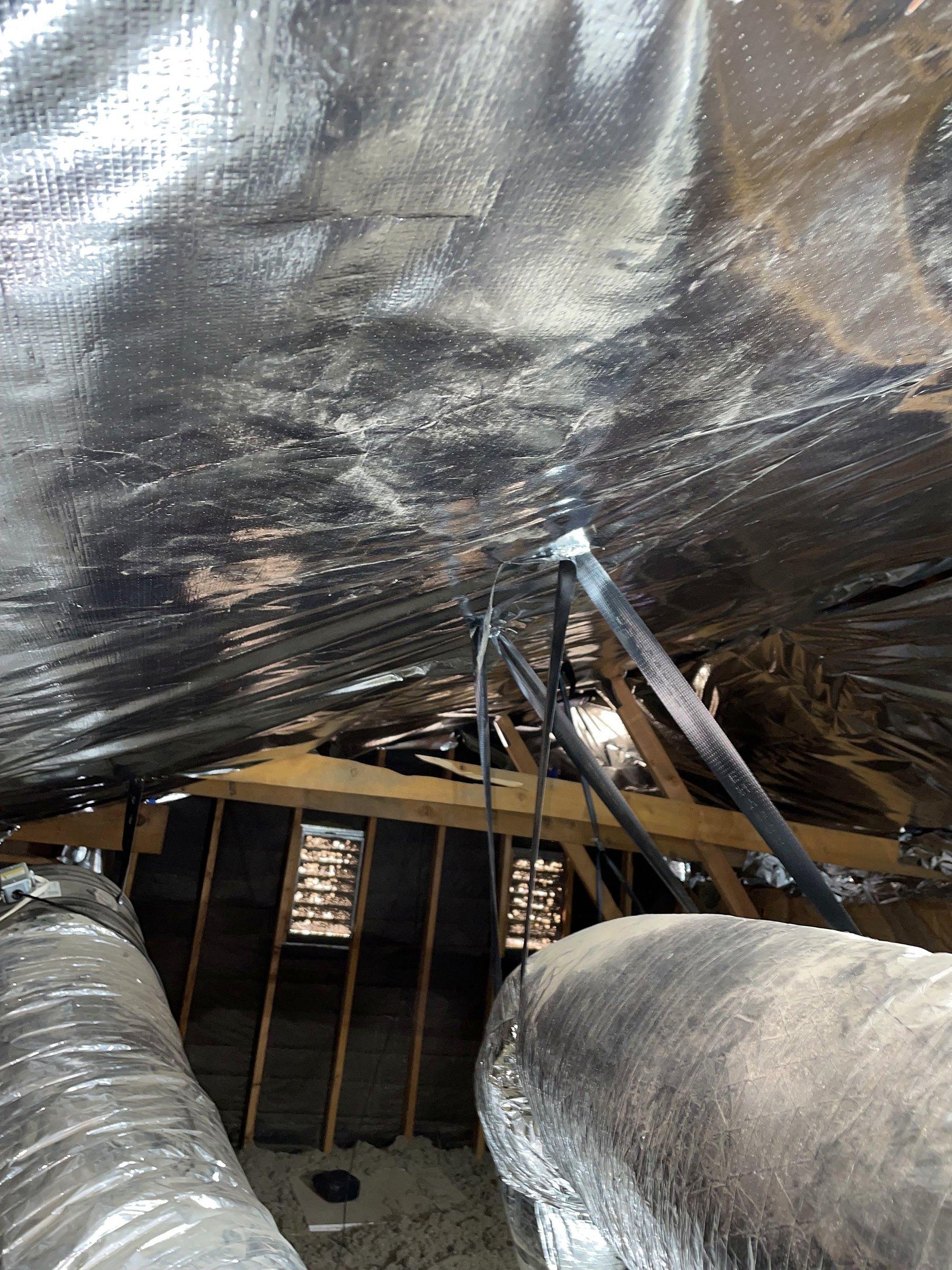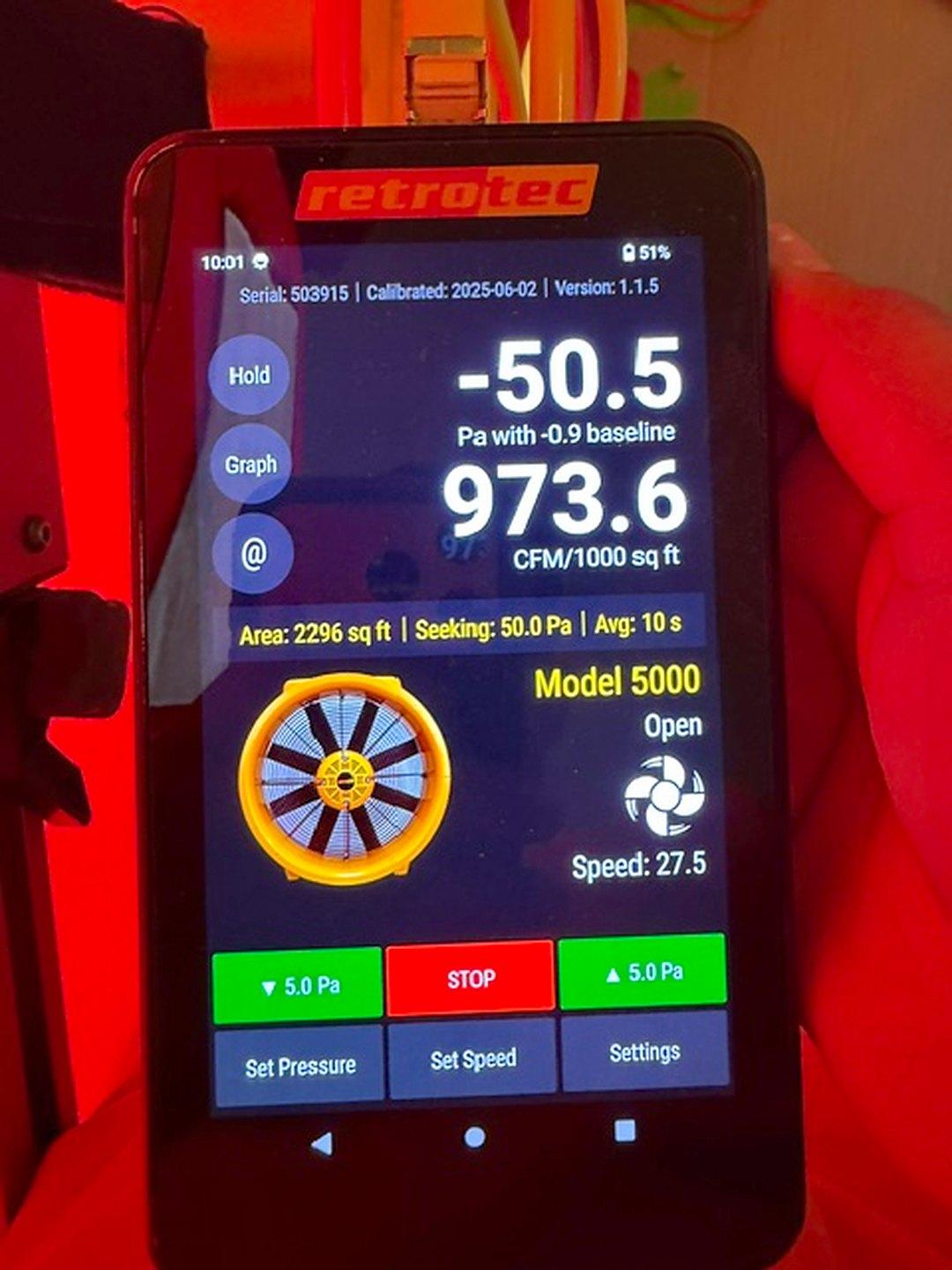
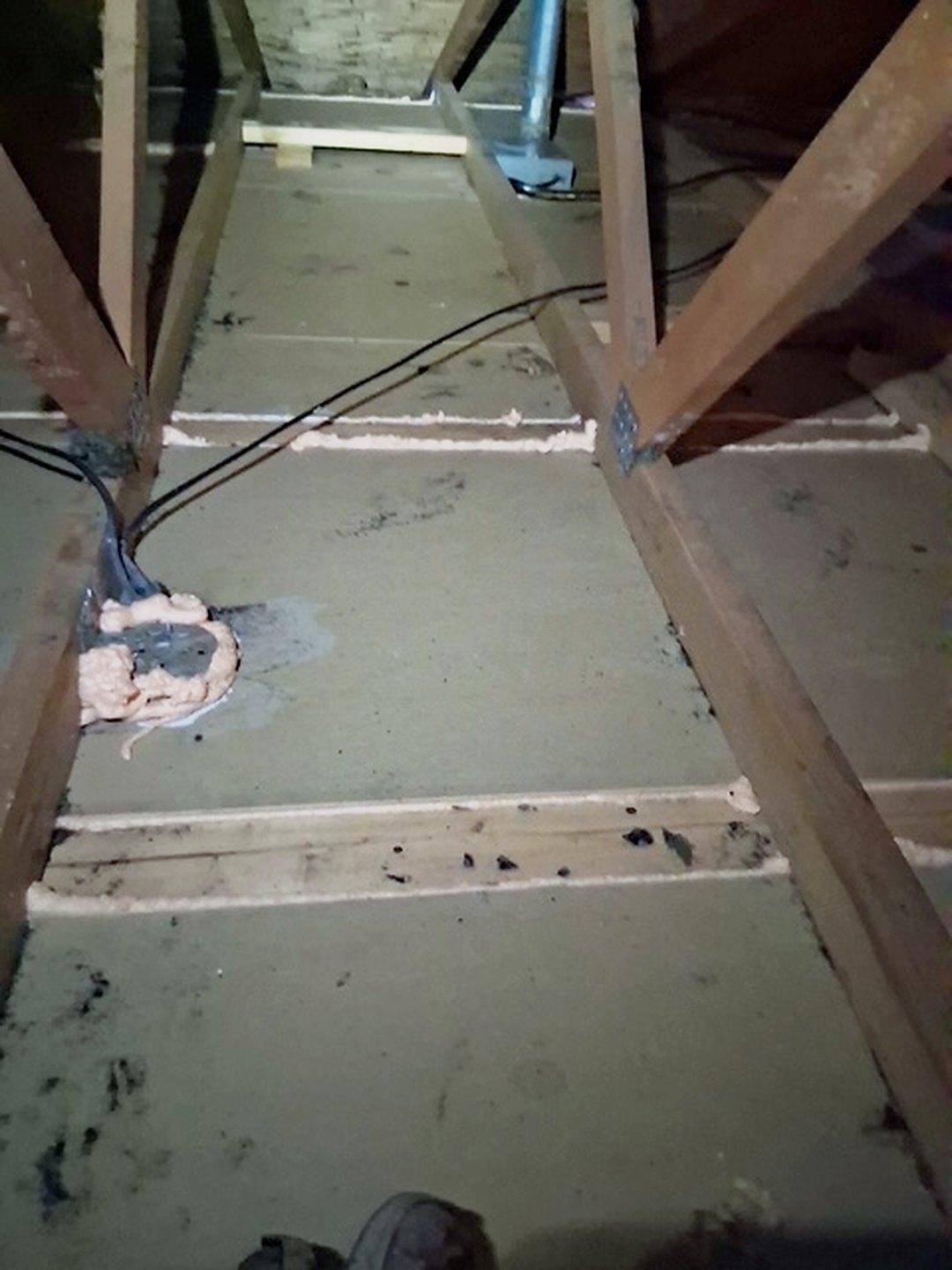
What each one does
Insulation is like a sweater: it slows heat. Air sealing is like a windbreaker: it stops air. A sweater on a windy day doesn't keep you warm — and insulation over a leaky ceiling doesn't either.
Leaking air also carries moisture into the attic, where it can condense on the roof deck in winter. Sealing reduces that risk.
| Air sealing | Adding insulation | |
|---|---|---|
| What it stops | Air moving in and out of the house | Heat moving through the ceiling, walls or floor |
| How it's measured | Blower-door test (CFM50) | R-value |
| What you notice | Fewer drafts, less dust, more even rooms | Rooms hold heat and cool better |
| Xcel rebate rule | At least 20% less leakage after the work | Attic below R-24 before, R-60 or more after |
| Max rebate with Xcel gas heat | $1,000 | $1,250 (attic) |
When you might only need one
- Attic already at R-38 or more, but rooms are drafty: air sealing alone may be the better value.
- Attic is thin, but the house tested fairly tight: insulation may be the main need.
- Old insulation is contaminated: removal, then sealing, then new insulation.
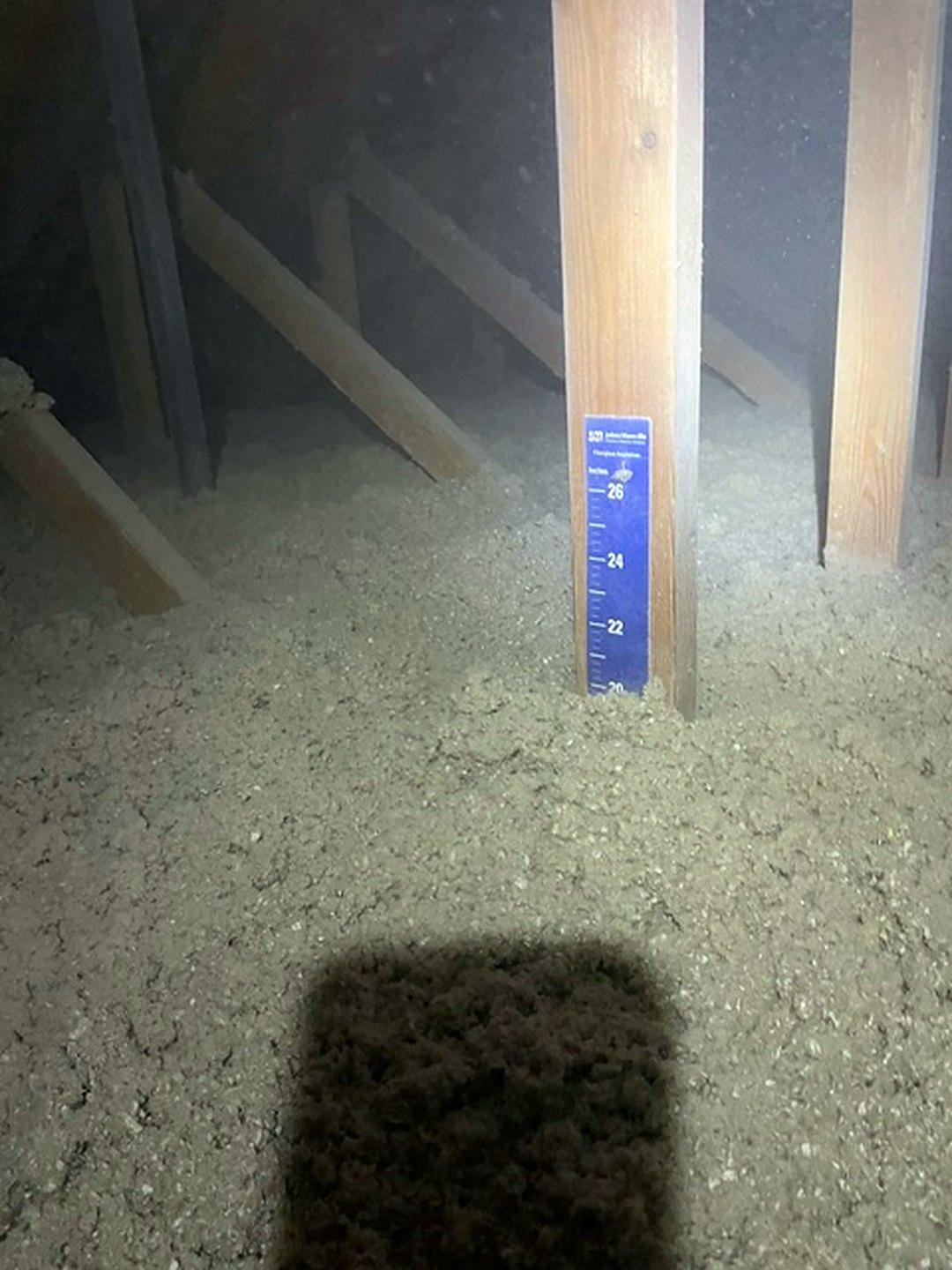
How Xcel treats them
Xcel has separate rebates: attic insulation (attic below R-24 before, R-60+ after) and air sealing (at least 20% less leakage on the blower-door test). With Xcel gas heat, the maximums are $1,250 and $1,000. Doing both qualifies for both.