What spray foam actually is
Spray polyurethane foam is two liquids mixed at the gun. It expands as it's sprayed and hardens in place, filling cracks and sticking to wood, concrete and metal. Because it fills gaps as it goes, it stops air movement and adds insulation in a single layer.
There are two main kinds. Open-cell foam is soft and spongy, expands a lot, and typically runs around R-3.5 to R-3.8 per inch. Closed-cell foam is dense and rigid, expands less, and typically runs around R-6 to R-7 per inch. Closed-cell also slows water vapor once it's about an inch and a half to two inches thick, which open-cell does not.
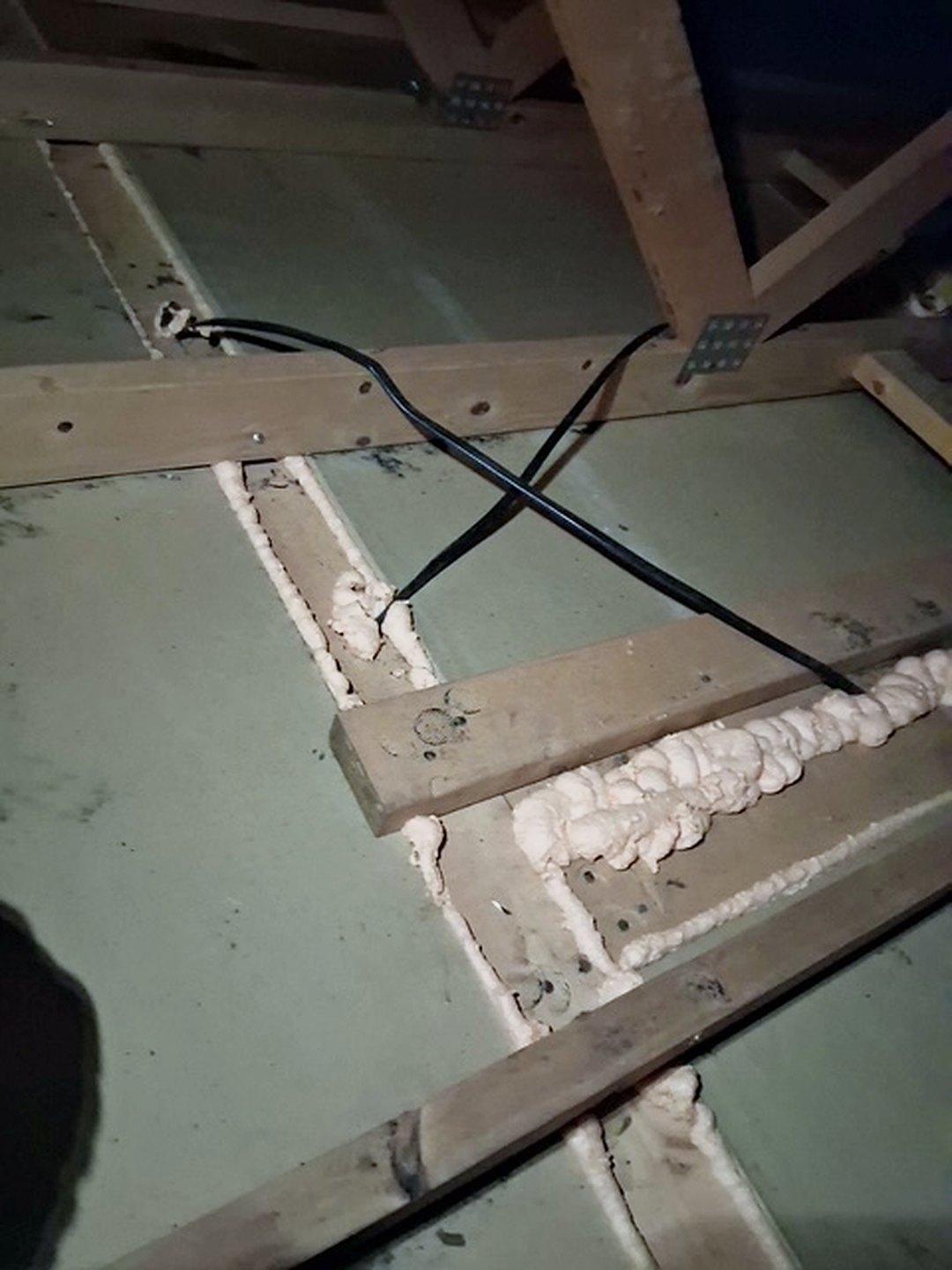
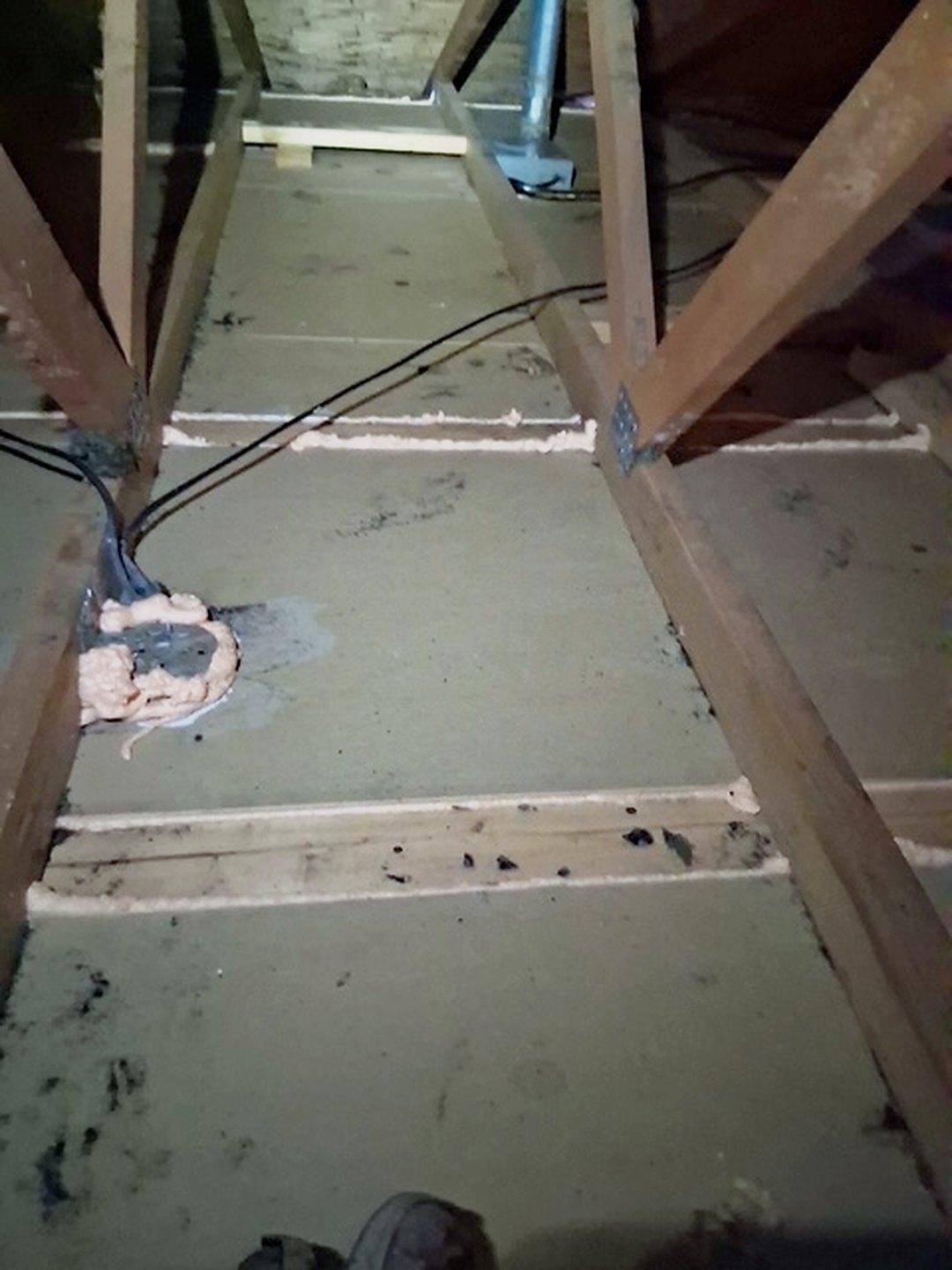
Then there's the foam most people have seen: the canned or low-pressure foam used to seal holes. That's what we use in nearly every attic to close the gaps around wires, plumbing, top plates and can lights before insulation goes on top.
Where spray foam is the right call
- Rim joists and band boards in basements and crawl spaces, where batts leave gaps and air pours in around the framing.
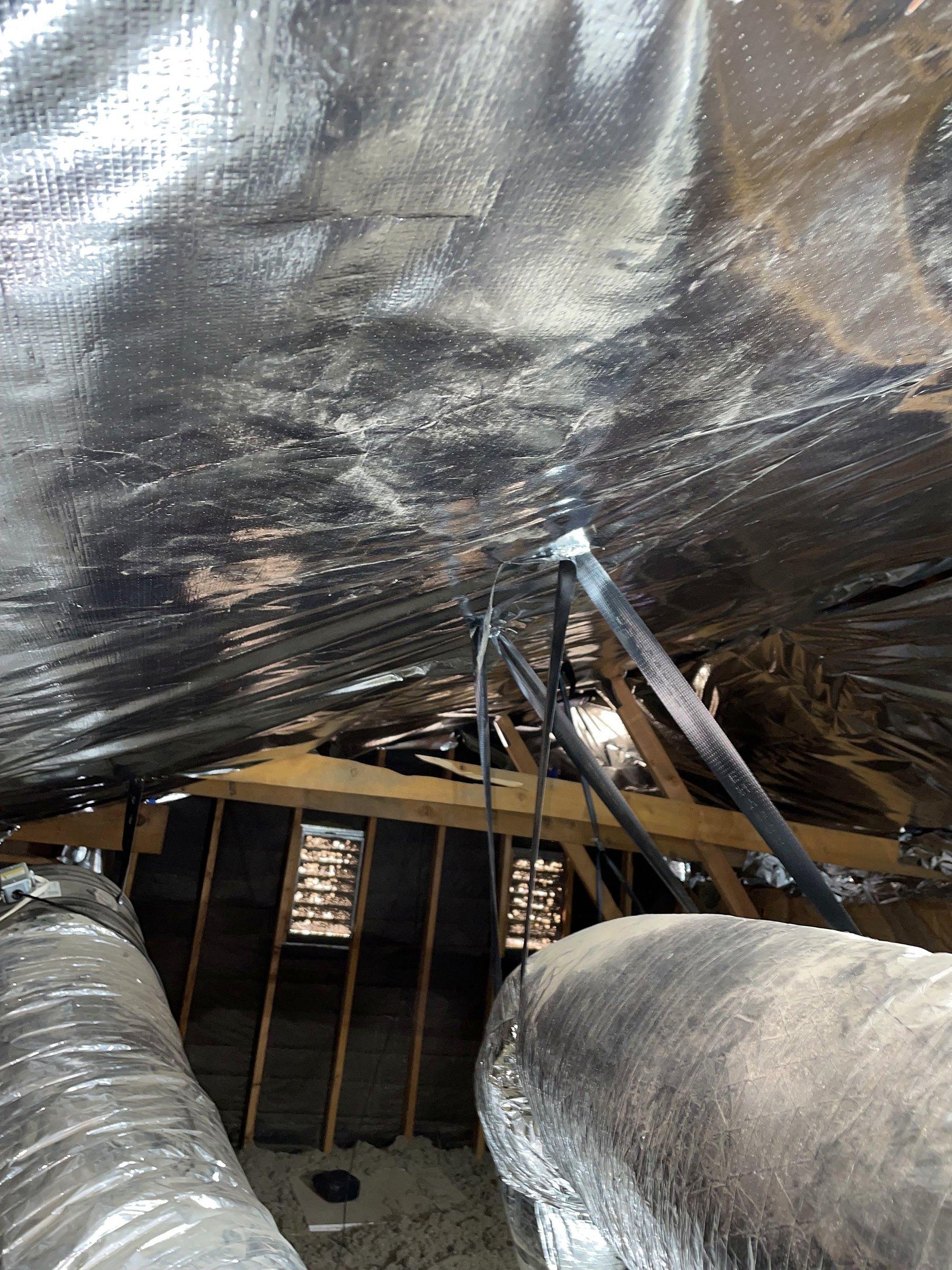
- Cathedral and vaulted ceilings with no attic space above them, where there's no room for 16 to 24 inches of loose fill.
- Unvented roof assemblies, where the insulation goes against the underside of the roof deck instead of on the attic floor.
- Knee walls and odd framing in finished attics and bonus rooms, where it's hard to keep air from moving around batts.
- Small, hard-to-reach cavities where an air seal and insulation have to happen in one pass.
Where blown-in insulation wins
Most Denver homes built before the 2000s have a vented attic with an open floor: joists or trusses, some old insulation, and plenty of headroom. That attic floor is where blown-in insulation is hard to beat.
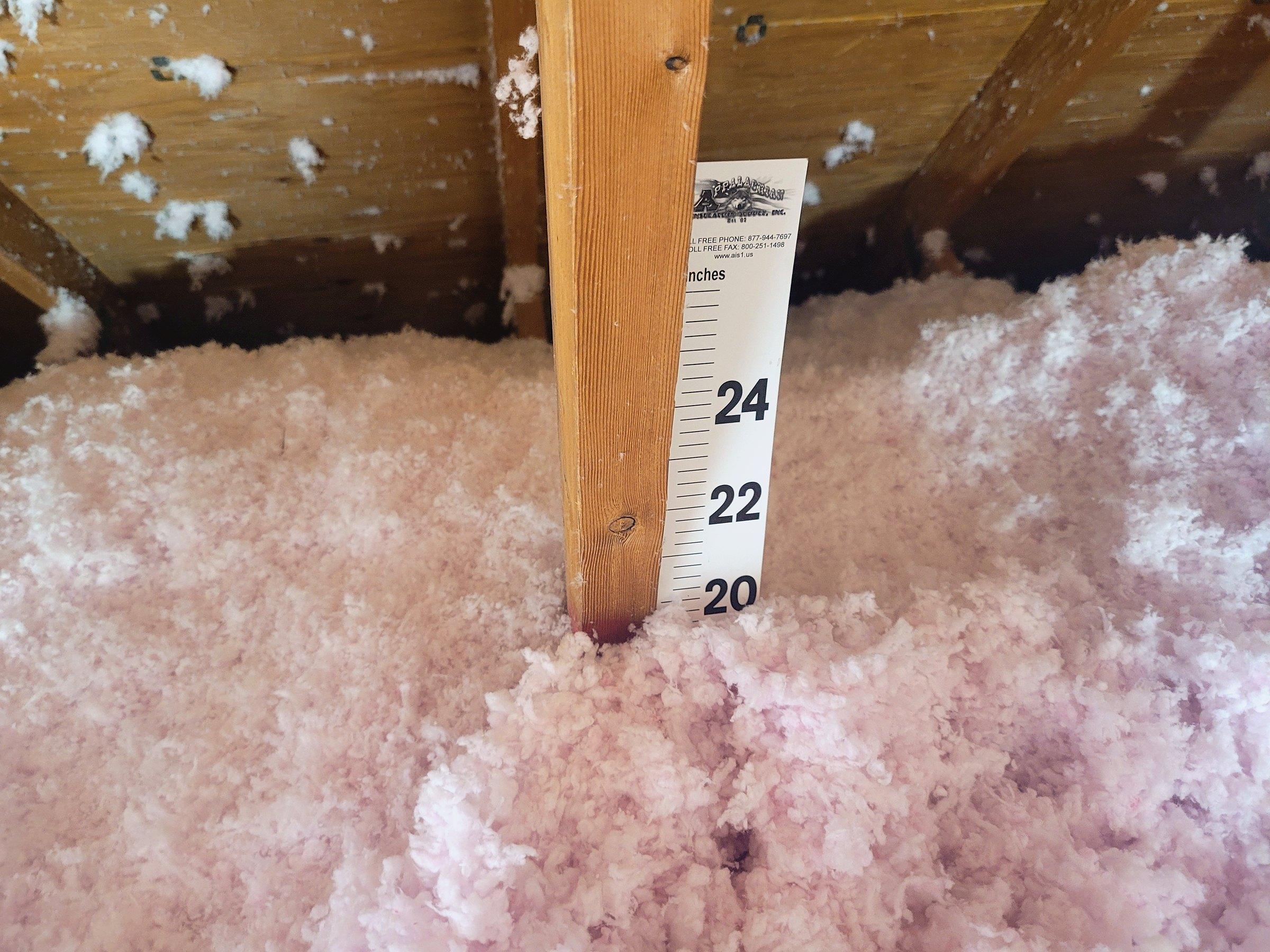
Loose-fill fiberglass or cellulose costs much less per unit of R-value than spray foam. It also fills around wires and framing without cutting or fitting, so it settles into an even blanket. To reach R-60, blown fiberglass usually needs roughly 16 to 24 inches depending on the product. We mark the depth on rulers across the attic so you can see what you paid for.
The catch is that loose fill doesn't stop air. Warm air from the house still leaks up through the gaps underneath it, carrying heat and moisture. That's why we seal those gaps with foam first. You get most of foam's air-sealing benefit at a fraction of the cost of foaming the whole attic.
Spray foam vs. blown-in, side by side
| Spray foam | Blown-in (fiberglass or cellulose) | |
|---|---|---|
| Air sealing | Seals as it insulates | Gaps need sealing first |
| R-value per inch | Closed-cell is highest; open-cell is similar to blown-in | Similar to open-cell foam |
| Cost to reach R-60 in an open attic | High | Usually the lowest-cost way |
| Moisture | Closed-cell slows vapor; open-cell doesn't | Doesn't slow vapor, so sealing and ventilation matter more |
| Changing it later | Cured foam is hard to remove | Can be moved, topped up or vacuumed out |
| During the install | Home is cleared while it's sprayed and cures | You can usually stay home |
How Xcel Energy rebates treat spray foam
Xcel's attic insulation rebate is based on the result, not the product. The attic has to start below R-24 and finish at R-60 or more. Spray foam can count, but getting an attic floor to R-60 with foam alone is expensive, so most rebate jobs use blown-in insulation on top of air sealing.
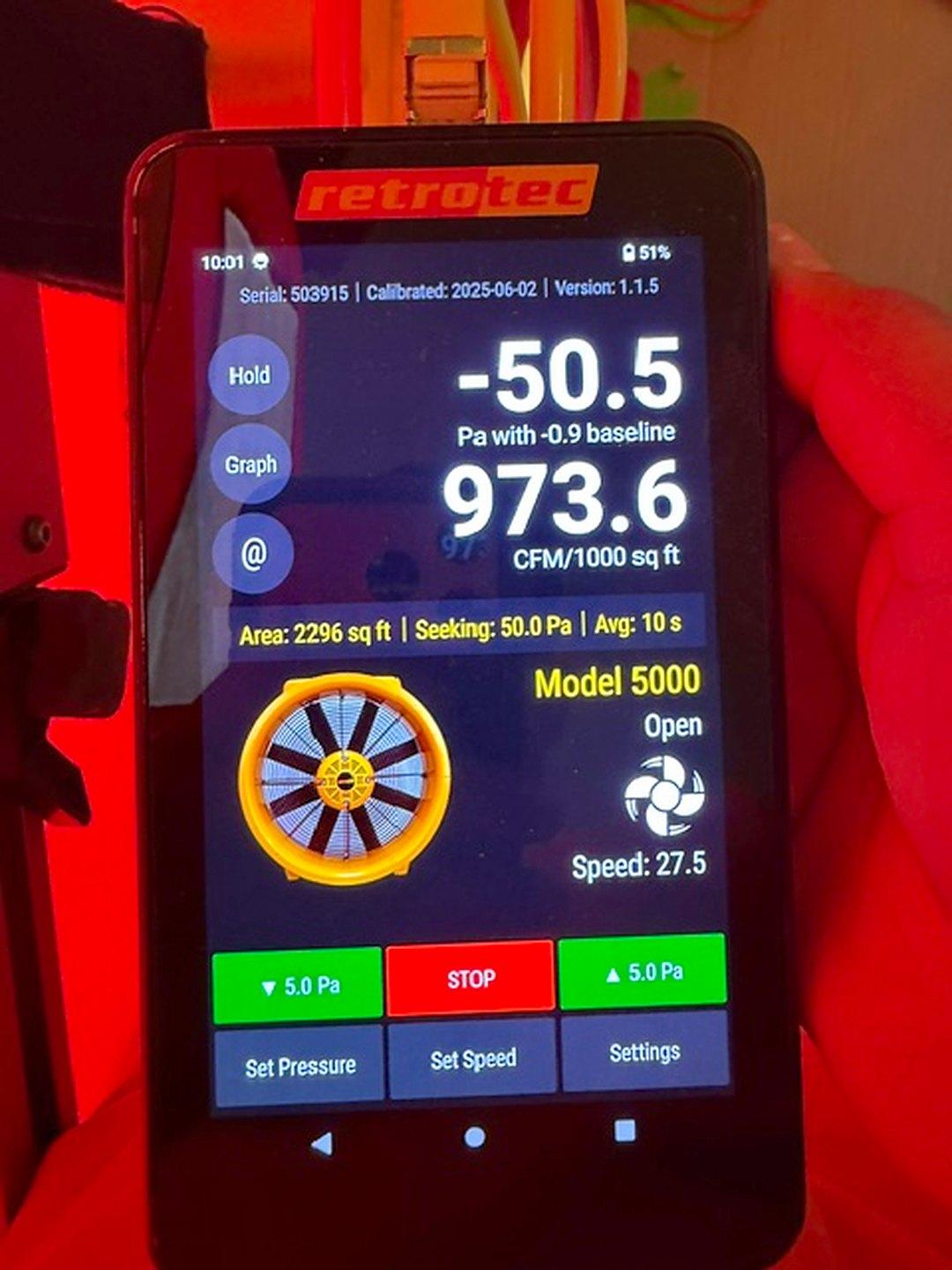
The air sealing rebate is based on a blower door test: the house has to leak at least 20% less after the work. Foam is one of the main tools we use to get there. As an Xcel participating contractor, we run the before and after tests and file the paperwork. See current amounts on our Colorado energy rebates page.
Questions to ask any spray foam contractor
- Open-cell or closed-cell, and why that one for my house?
- How thick, and what R-value will I have when you're done?
- Is the foam going on the attic floor or the roof deck, and what happens to my attic ventilation?
- Does this need a thermal or ignition barrier for code in this spot?
- How long do we need to stay out of the house while it cures?
- Will this project qualify for Xcel rebates, and who files them?
What we'll recommend at your estimate
We'll go into the attic, measure what's there and look at how the house is built. For most open attics, the plan is foam air sealing at every gap we can reach, then blown-in insulation to R-60, with a blower door test before and after.
If part of your house really needs spray foam, such as a vaulted ceiling with no attic above it, we'll tell you that plainly and explain your options. You'll get a written plan with a fixed price before any work starts.