Home comfort

Garage insulation in Denver: walls, ceilings and the room above

Most garage insulation questions are really about the bedroom over the garage. Here's what to insulate, what to seal, and what's worth the money.

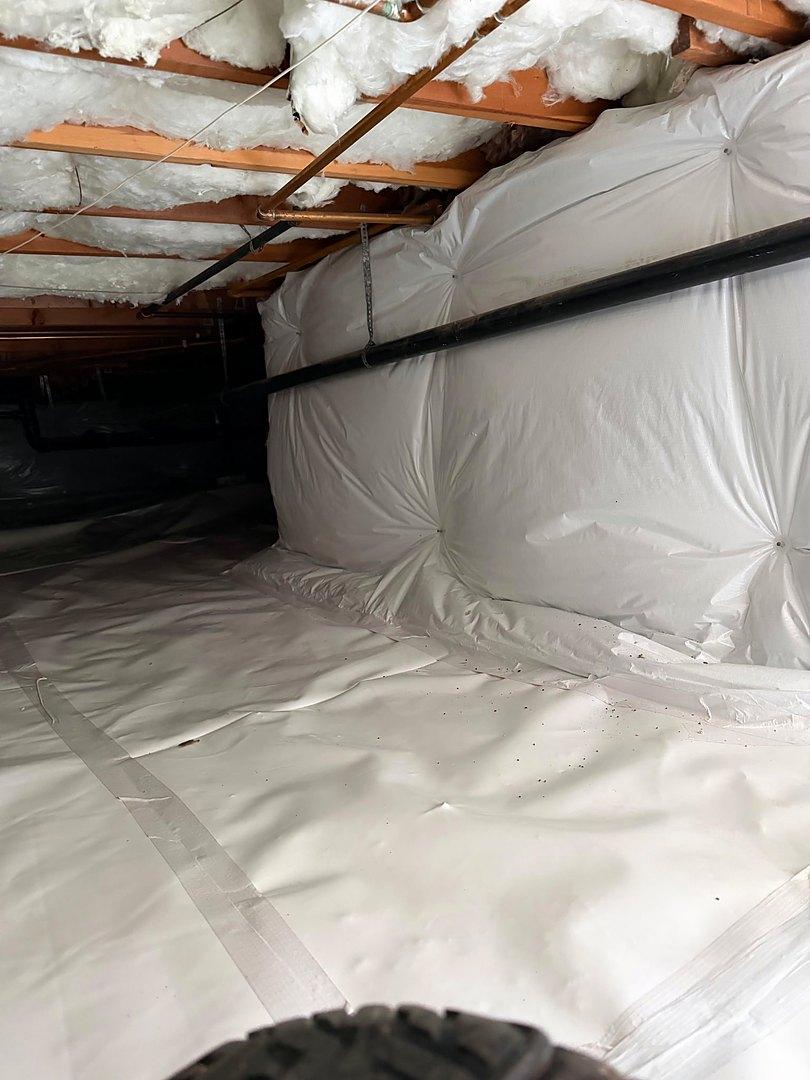
Insulation batts fitted between open wall studs
In this guide 6 sections
  1. The room over the garage
  2. The wall between the garage and the house
  3. Insulating garage walls and ceilings
  4. What about the garage door?
  5. Xcel rebates and garages
  6. What to expect at your estimate

Is it worth insulating a garage in Denver?

It's almost always worth insulating and air sealing the walls and ceilings the garage shares with your house, especially under a bedroom or bonus room. Insulating the garage's outside walls makes sense if you use it as a workshop or gym, or if it's attached and you want it less cold in winter. A bare garage door will still leak a lot of heat.

  • Room over the garage: insulate and air seal the garage ceiling tight to the floor above.
  • Shared wall: seal and insulate it to keep cold, fumes and exhaust out of the house.
  • Outside walls: batts in open studs, covered as code requires.
  • Xcel's insulation rebates exclude garages, so plan this as a comfort project.

The room over the garage

A bedroom or bonus room over the garage is one of the most common comfort complaints we hear. It's freezing in January and hot in July. The reason is simple: that room has cold air under the floor as well as around the walls and above the ceiling.

The fix is usually in the garage ceiling. Insulation has to be in full contact with the subfloor above, with no gaps at the ends of the joist bays where cold air sneaks in from the garage or the outside walls. Those open joist ends are often the biggest problem, and they need to be blocked and sealed, not just stuffed with insulation.

We also check the knee walls and attic spaces around the room, because a bonus room usually loses heat in several directions at once.

The wall between the garage and the house

The wall and ceiling your garage shares with the house matter most. Sealing them keeps cold air out of the house in winter, and it keeps car exhaust and fumes from stored chemicals from leaking inside.

We seal the gaps where pipes, wires and ducts pass through, then insulate. If the house-to-garage door doesn't seal well, weatherstripping and a door sweep are cheap and worth doing.

Insulating garage walls and ceilings

  • Open stud walls: batts cut to fit tight around outlets and wires, with no gaps or compression.
  • Finished drywall walls: dense-pack insulation can sometimes be blown in through small holes.
  • Garage ceilings with an attic above: blown-in insulation over the ceiling, like a regular attic.
  • Garage ceilings under living space: batts held tight to the subfloor, with joist ends sealed.
  • Fire safety: insulation facings in garages usually need to be covered, and the house-to-garage wall has fire-separation rules. We follow code for your setup.
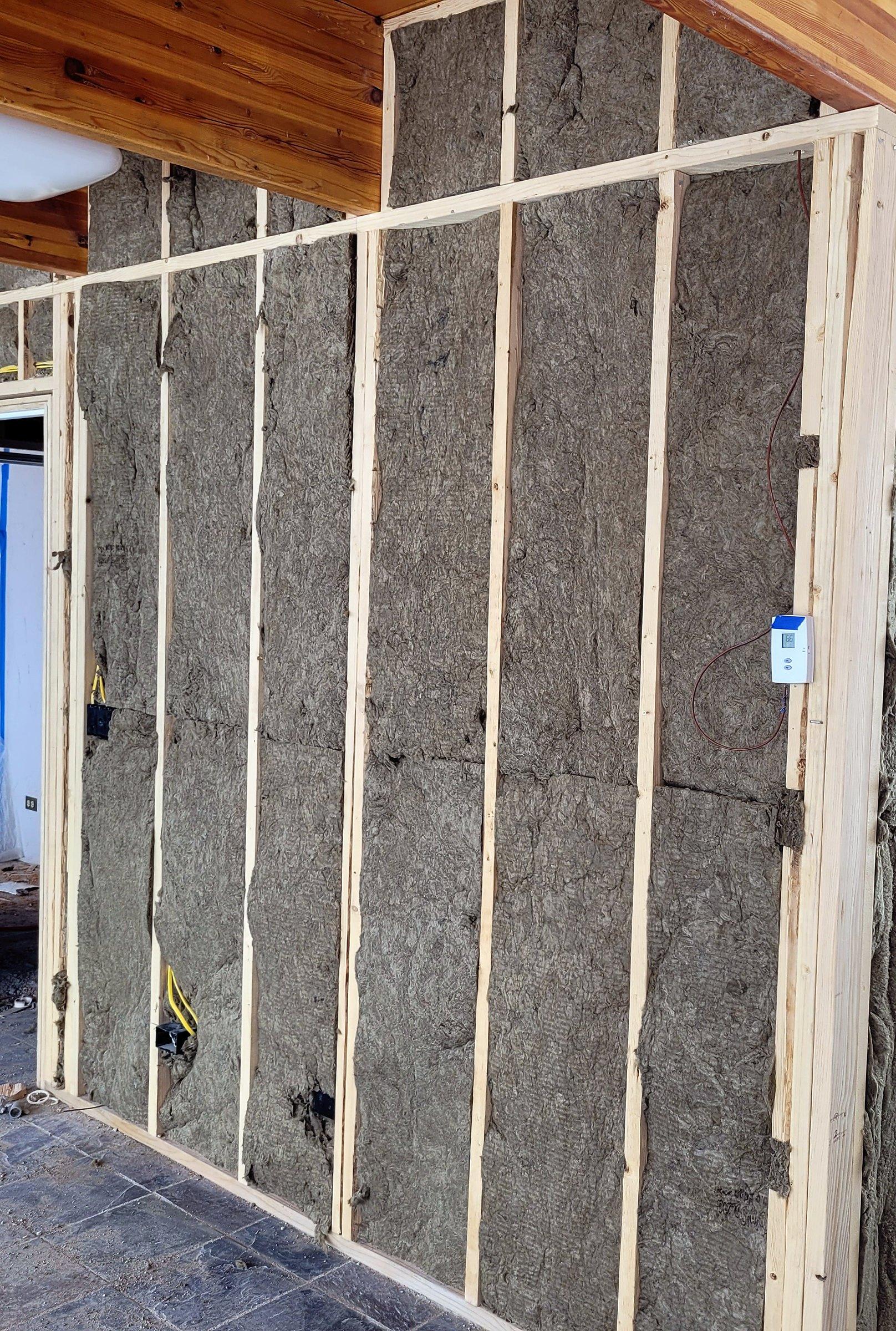
Insulation batts fitted between open wall studs

What about the garage door?

A garage door is a large, thin panel with gaps around the edges, so it's usually the weakest part of an insulated garage. Insulated doors and good weatherstripping around the sides and bottom help a lot. If you heat the garage, deal with the door. If you don't, focus your money on the walls and ceiling you share with the house.

Xcel rebates and garages

Xcel's insulation and air sealing program excludes garages. Insulating the garage itself won't qualify for those rebates.

Work on the house can still qualify, and air sealing the house-to-garage wall can help the whole-house blower door result. If you're already doing attic insulation or air sealing, it's often efficient to handle the garage ceiling and shared walls the same day.

What to expect at your estimate

We'll look at the garage walls and ceiling, the room above if you have one, and how the garage connects to the attic. Then we'll tell you what we'd do first and give you a fixed written price. Most garage batt jobs are done in a day.

Questions we hear

What R-value should garage insulation be?

Walls framed with 2x4s typically get R-13 to R-15 batts; 2x6 walls take R-19 to R-21. Ceilings under living space usually need more, often R-30, held tight to the subfloor. We'll match it to your framing and how you use the space.

Why is the bedroom over my garage so cold?

Usually because insulation in the garage ceiling isn't touching the floor above, and the open ends of the floor joists let cold air in. Sealing the joist ends and fitting the insulation tight to the subfloor usually makes the biggest difference.

Can you insulate a finished garage without removing drywall?

Often, yes. Walls can sometimes be dense-packed through small holes that are patched afterward, and ceilings with an attic above can be blown in from above. We'll check what's possible in your garage.

Does insulating the garage qualify for Xcel rebates?

No. Xcel's insulation and air sealing program excludes garages. Attic, wall and whole-house air sealing work on the house can still qualify.

Should I insulate my garage door?

If you heat or regularly use the garage, yes: an insulated door and new weatherstripping help a lot. If you don't, put your budget into the walls and ceiling the garage shares with your house first.

Sources we checked

Rebate figures checked against Xcel Energy on November 25, 2026. Programs change, so we confirm what applies to your home at the estimate.

Josh Monroe, owner of Insulation Nation, in a company polo

Written by the Insulation Nation team

Josh Monroe's crew insulates and air seals Denver-area homes from our shop at 4665 W Warren Ave. We're BPI certified and an Xcel Energy participating contractor, so we run the tests and file the rebates we write about. Last updated November 25, 2026.

About usCurrent rebatesFAQ

From Google reviews
Dustin came out and verified the amount of insulation I currently had: R13 and current regulation state. It should be R60. He was able to send a crew out a few days later, and they were so polite, friendly, completed the job quickly and left no mess behind. I am absolutely thrilled that the back 1/3 of my home is actually warm now! Those rooms were about 15° cooler than the rest of my home.
Patty D.Feb 2026 · Google review
I found Insulation Nation through Xcel's energy audit program. Josh was responsive to my requests and used my audit report to write an estimate for the work to make my upstairs temperature more closely aligned with the main floor. On the scheduled work day, I received a text letting me know the crew was en route and they arrived exactly on time! They were very respectful of me and my home.
Marlisa W.Aug 2026 · Google review
Insulation Nation came to our home, tested the house's weather sealing, then went into the attic and performed repairs to the shoddy insulation there, blew in a thick layer of fiberglass, and repeated the pressure test with excellent results. They then worked to remedy a sealing deficit in the basement utility room that had also been identified during our Excel energy audit.
Elizabeth M.Oct 2026 · Google review
Free estimate

Let's find the cause in your house.

We'll test, look and tell you what we'd fix first.

Step 1 of 3

Get my free estimate

What are you noticing?
Where should we look? Optional — pick any

Free, no-pressure visit. We use your details only to schedule your estimate. Prefer to talk? (720) 410-9414