Where the air really comes in
Warm air rises and leaks out through gaps in the ceiling. That pulls cold outside air in low — under doors, through outlets, around window trim and at the rim joist. In a Denver winter that pressure difference is strong, which is why drafts feel worse when it's cold and windy.
That's why fixing the drafts you feel near a window or outlet downstairs often starts in the attic. If the leaks up top are sealed, there's less force pulling cold air in at the bottom.
Quick check: on a cold, windy day, hold a lit incense stick near outlets, baseboards and the attic hatch. Smoke that pulls sideways shows you where air is moving.
How we find the leaks
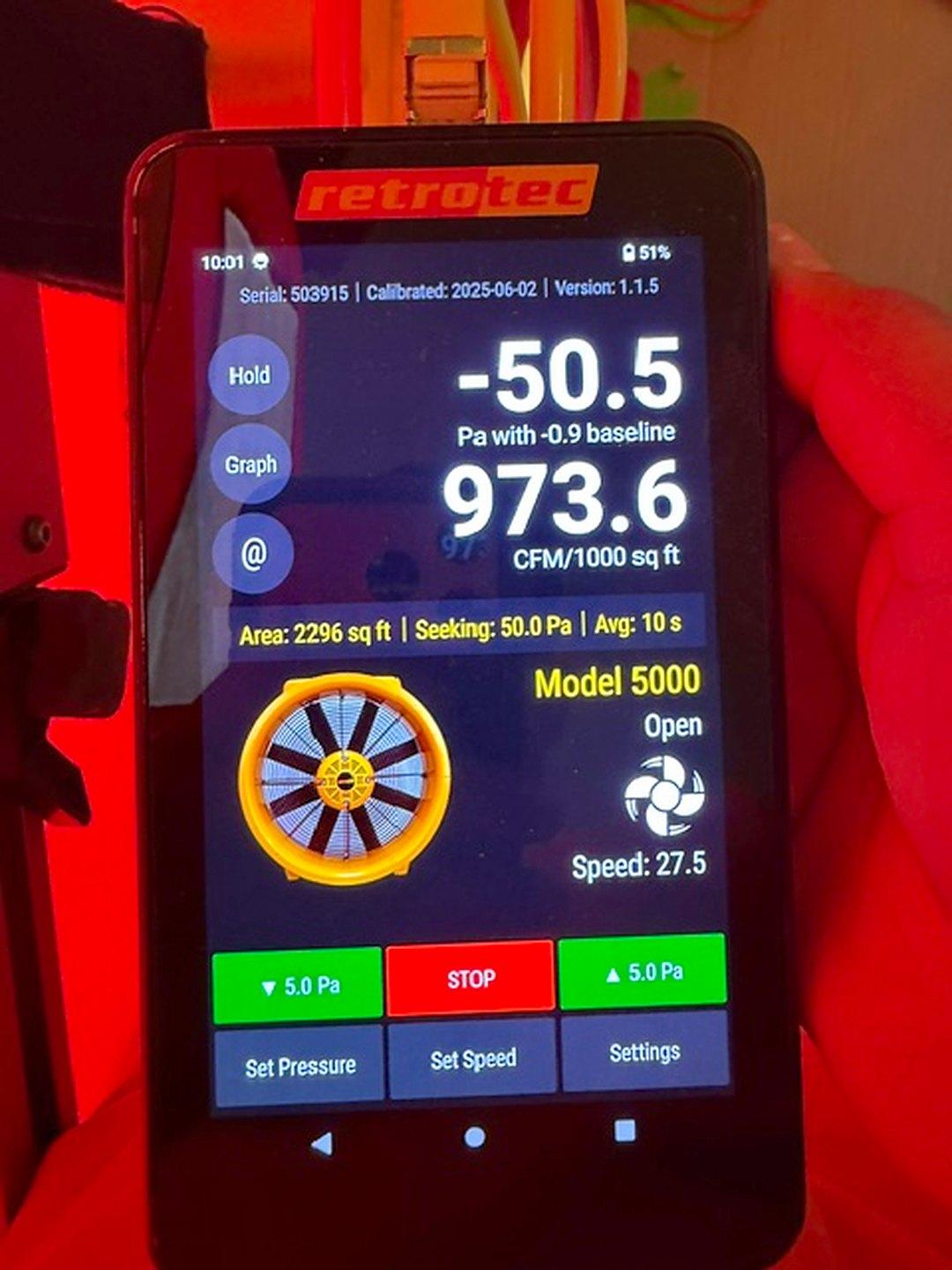
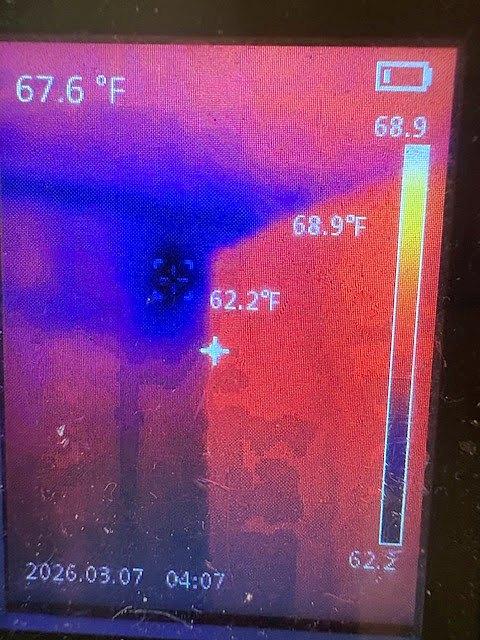
A blower door is a calibrated fan set in an exterior doorway. It depressurizes the house so leaks show up, and it gives a number (CFM50) we can compare before and after. We use it with a thermal camera to show you exactly where air is coming in.
- Test before. A calibrated fan in an exterior doorway lowers the pressure in the house and measures leakage as a number called CFM50.
- Find the leaks. With the fan running, a thermal camera shows where cold air is coming in. We show you the images.
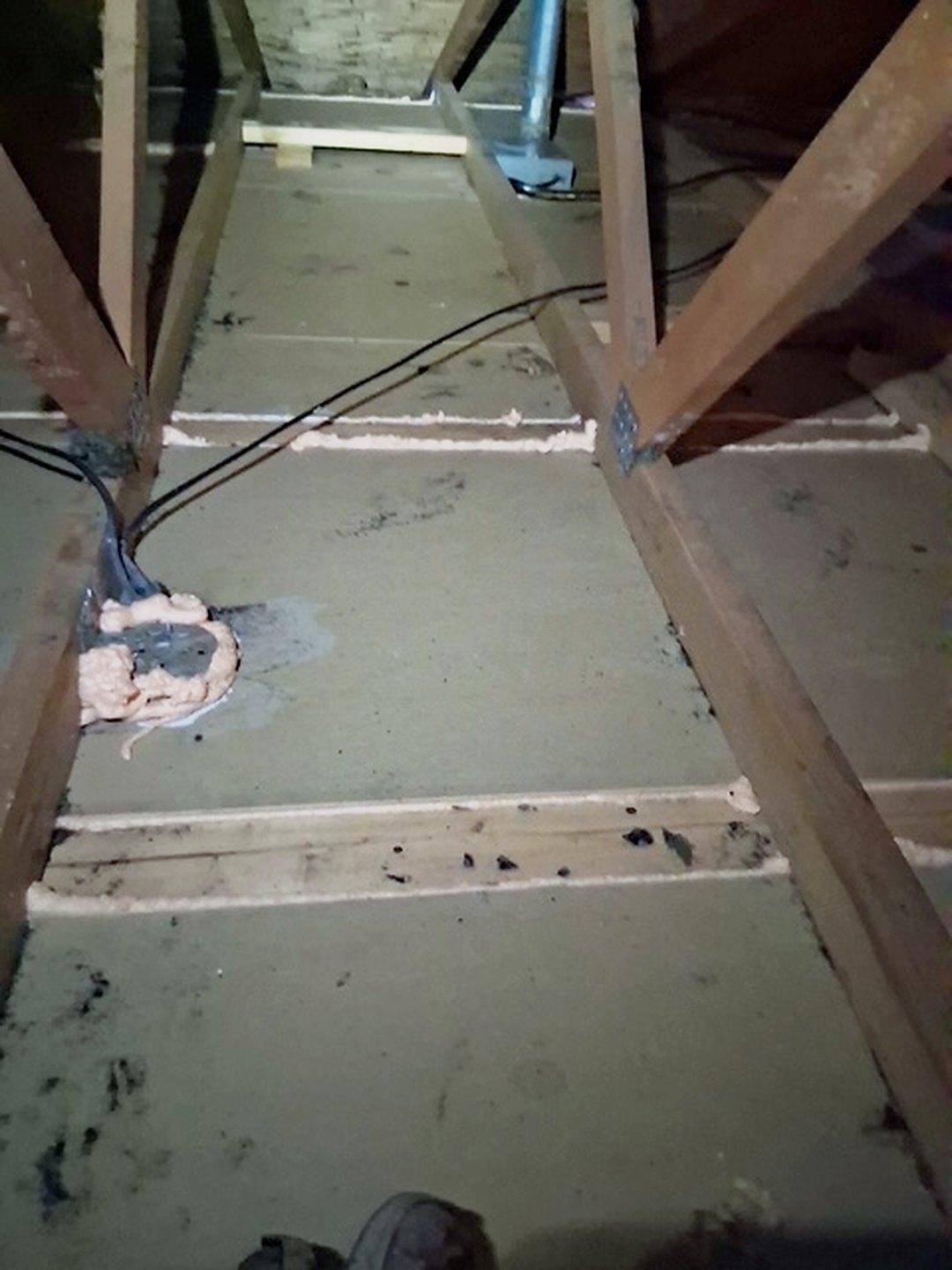
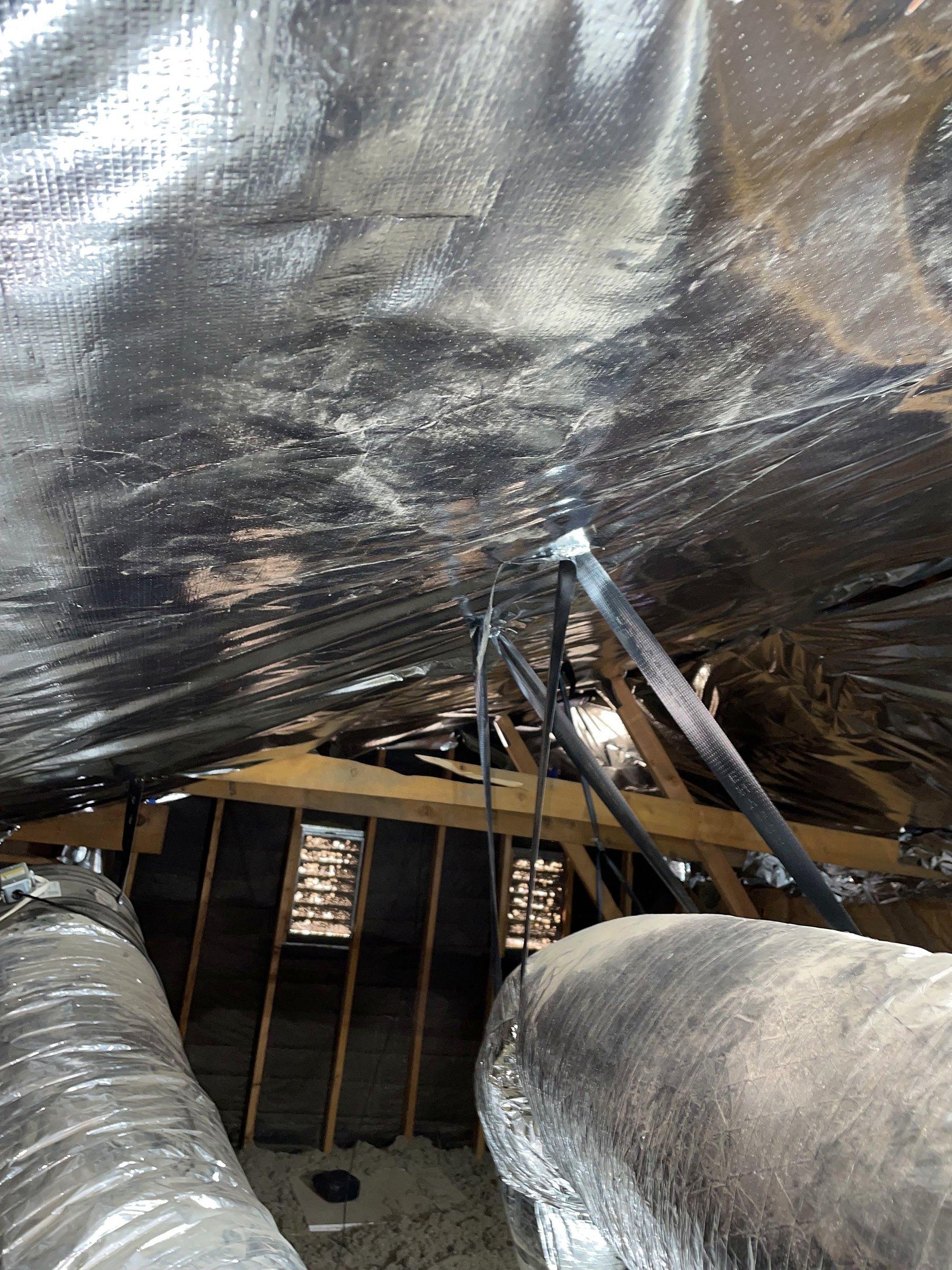
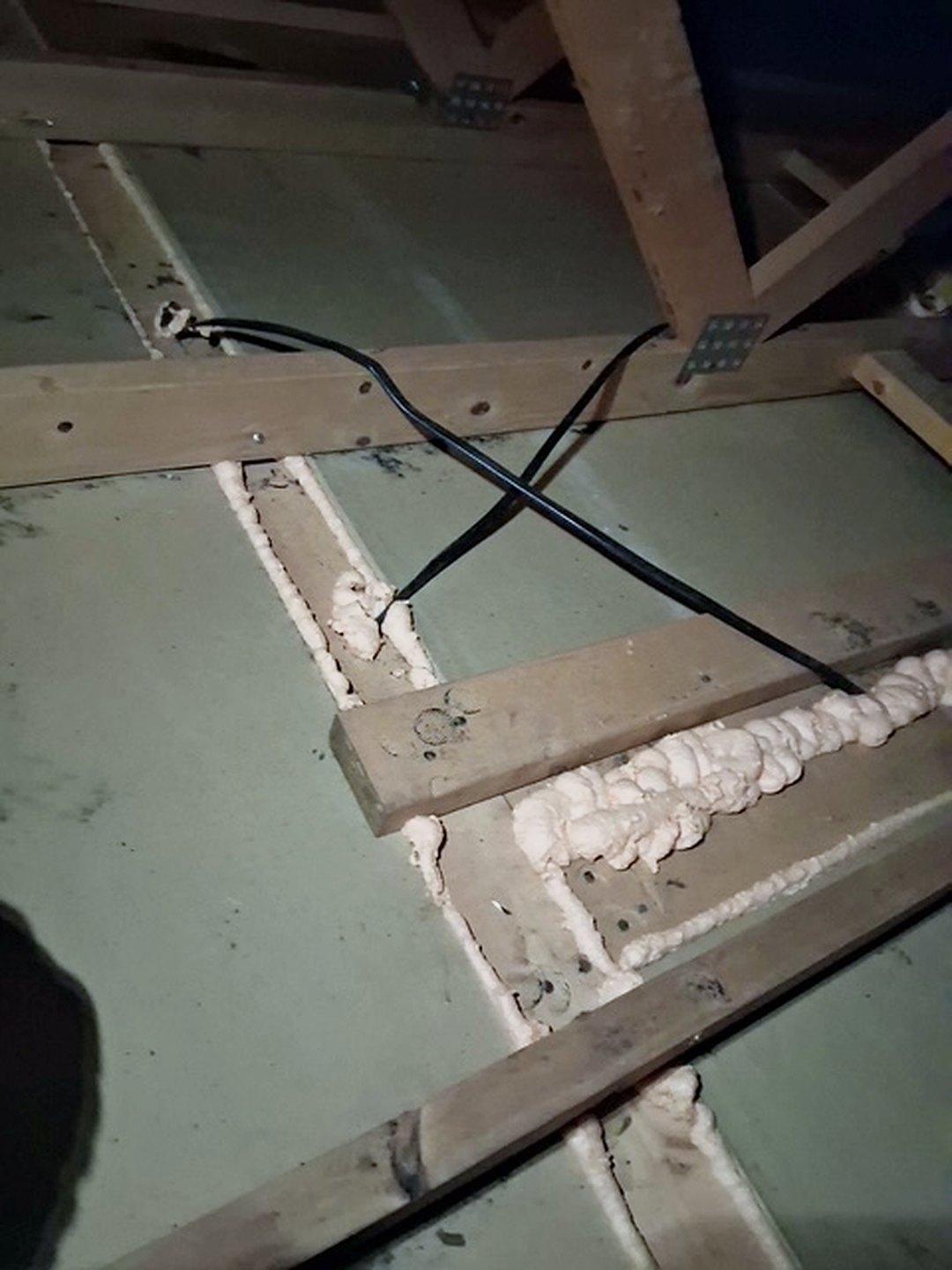
- Seal the big ones first. Attic floor and rim joist, then smaller gaps.
- Test after. The second reading shows how much leakage dropped. Xcel uses those two numbers for the air sealing rebate.
What gets sealed
- Wall top plates across the attic floor
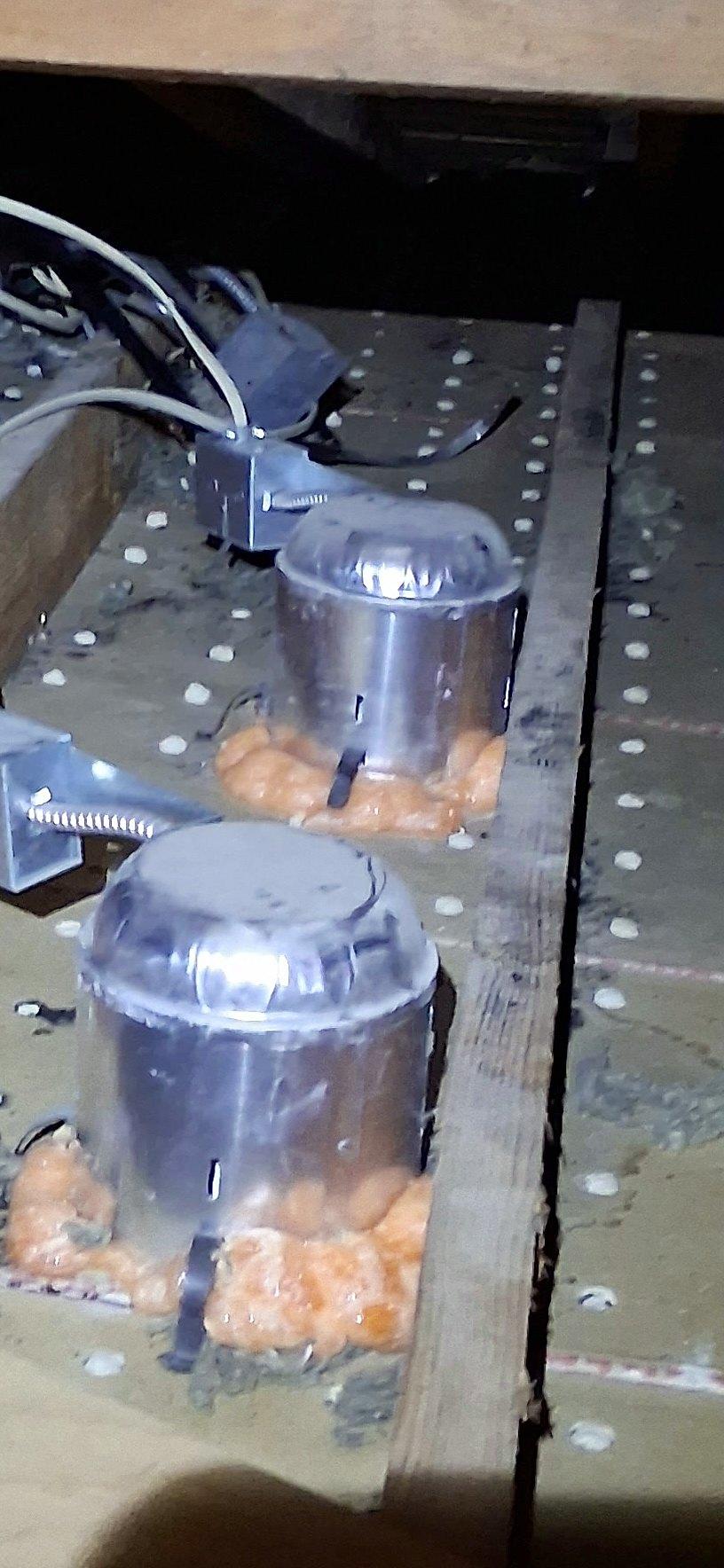
- Recessed lights and bath fans
- Plumbing stacks, flues (with proper fire-rated materials) and wire holes
- Attic hatch or pull-down stairs
- Rim joist and sill plate
Rebates for air sealing
Xcel pays for air sealing when blower-door tests show at least a 20% drop in leakage. With Xcel gas heat that can be up to $1,000. We do both tests and file the paperwork.