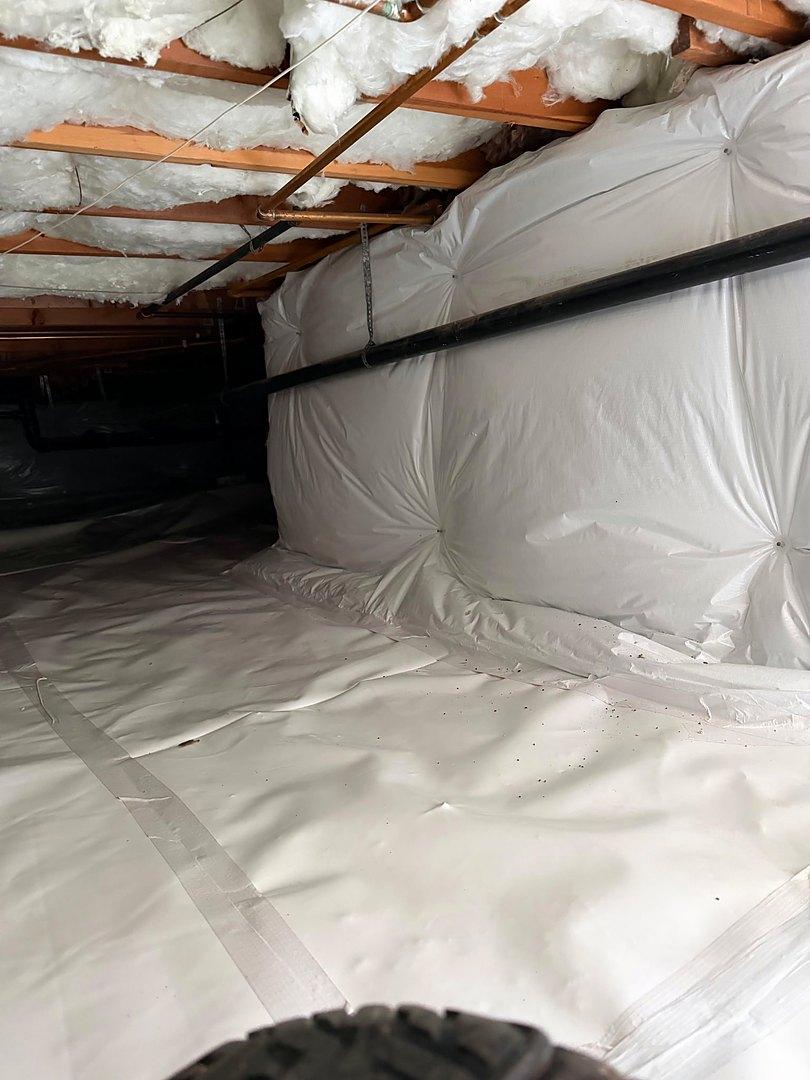
Why the floor is cold
The rim joist — the wood band sitting on top of the foundation — is often the leakiest spot in the house. Cold air slips in there, washes across the crawl space and chills the underside of your floor.
Floor batts that have fallen down or were installed with gaps don't help much either. And in a room over a garage, the garage itself is essentially outdoors.
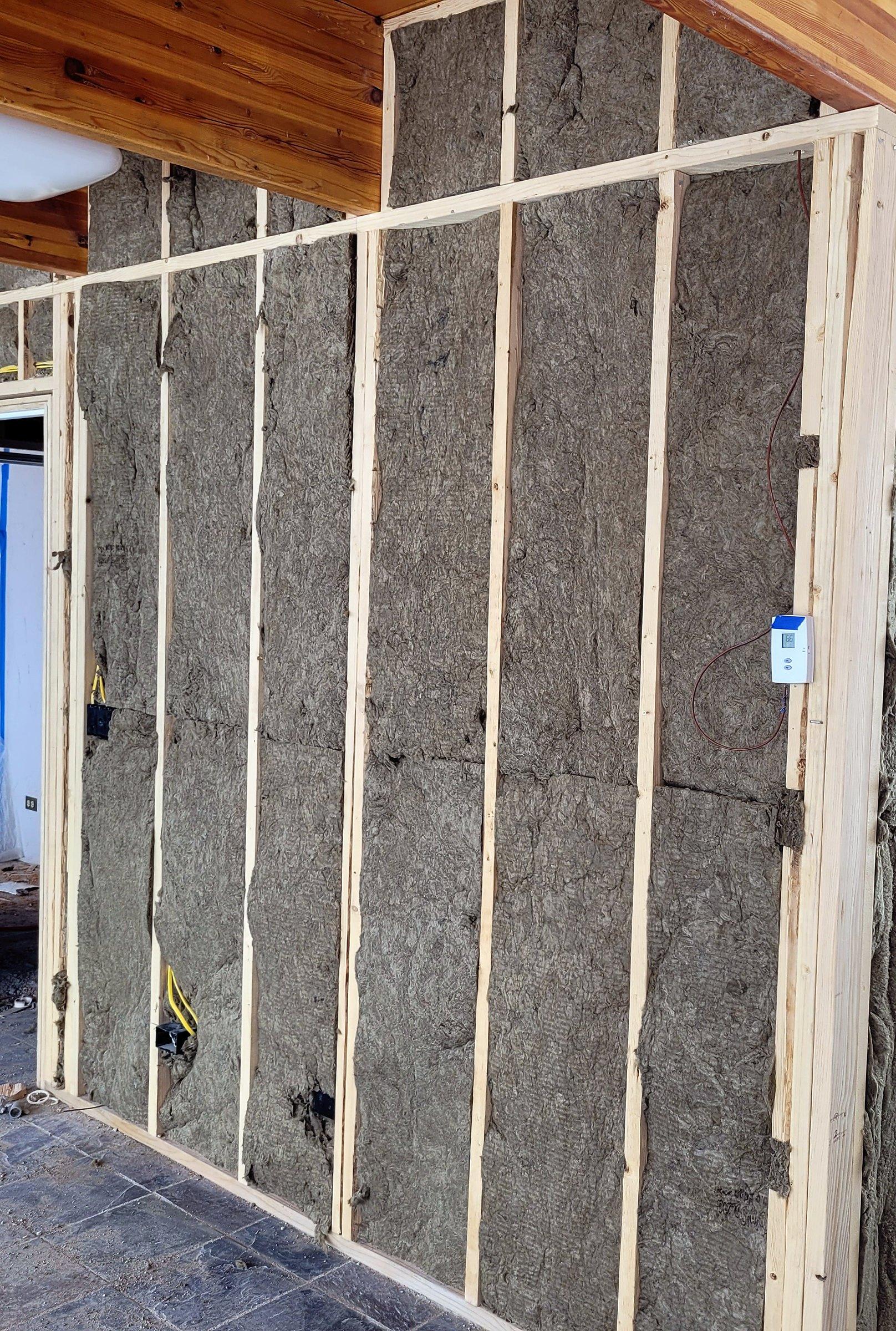
Floor insulation or wall insulation?
If the crawl space is vented to the outside, the usual approach is to insulate the floor above it with batts held tight to the subfloor, and seal the rim joist.
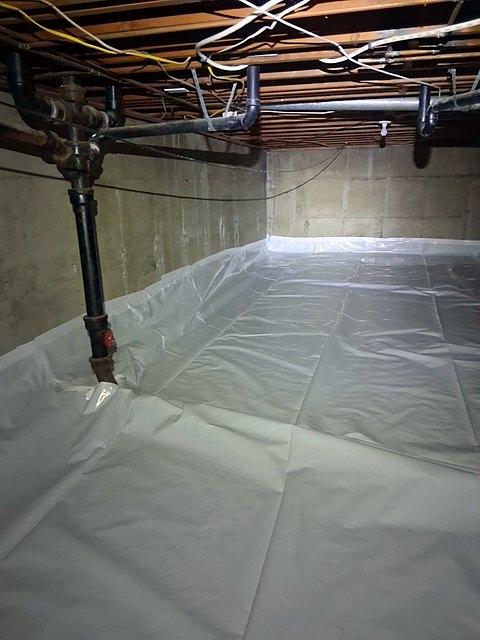
If the crawl space is closed (no open vents) and has ductwork or plumbing, insulating the walls and rim joist and keeping the space inside the home's envelope often works better. We'll tell you which fits your house after we look.
Check it yourself
- Shine a flashlight along the rim joist (where the floor framing sits on the foundation). Cobwebs that move or daylight at the edges point to air leaks.
- Look up at the floor insulation. Batts sagging, hanging loose or lying on the ground aren't doing their job.
- Note any musty smell, damp soil or standing water. That has to be fixed before anything gets insulated.
Crawl spaces can have sharp debris, pests or old wiring. If it's tight or wet down there, leave it to us. We'll take photos and show you what we find.
Moisture comes first
A crawl space with damp soil, standing water or musty smells needs moisture control before insulation. A vapor barrier over the ground is the starting point; drainage problems may need a different contractor, and we'll say so.