What's actually happening
On a sunny Denver afternoon an attic can get far hotter than the outside air. That heat moves down through the ceiling. The less insulation you have, the faster it comes through.
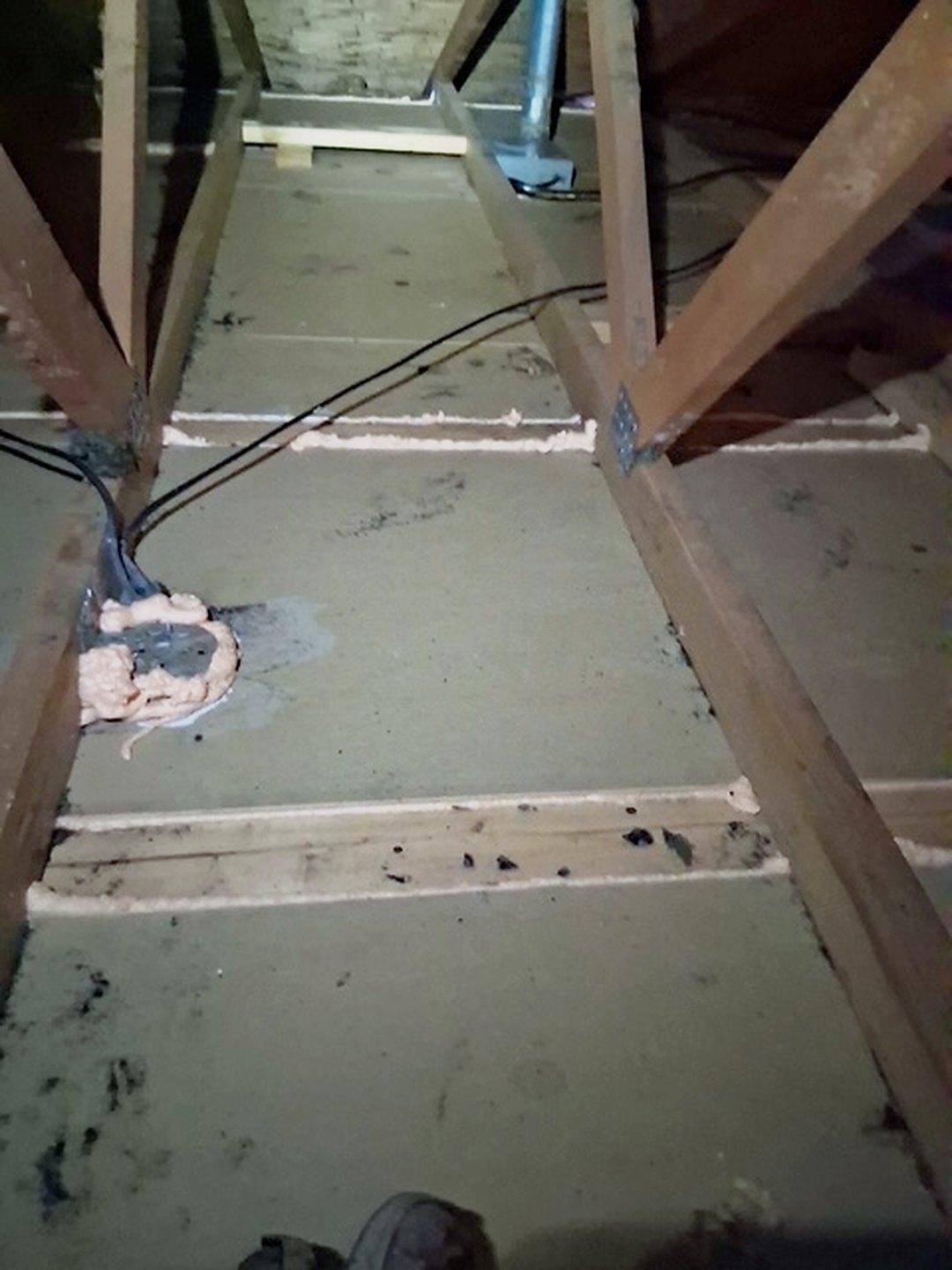
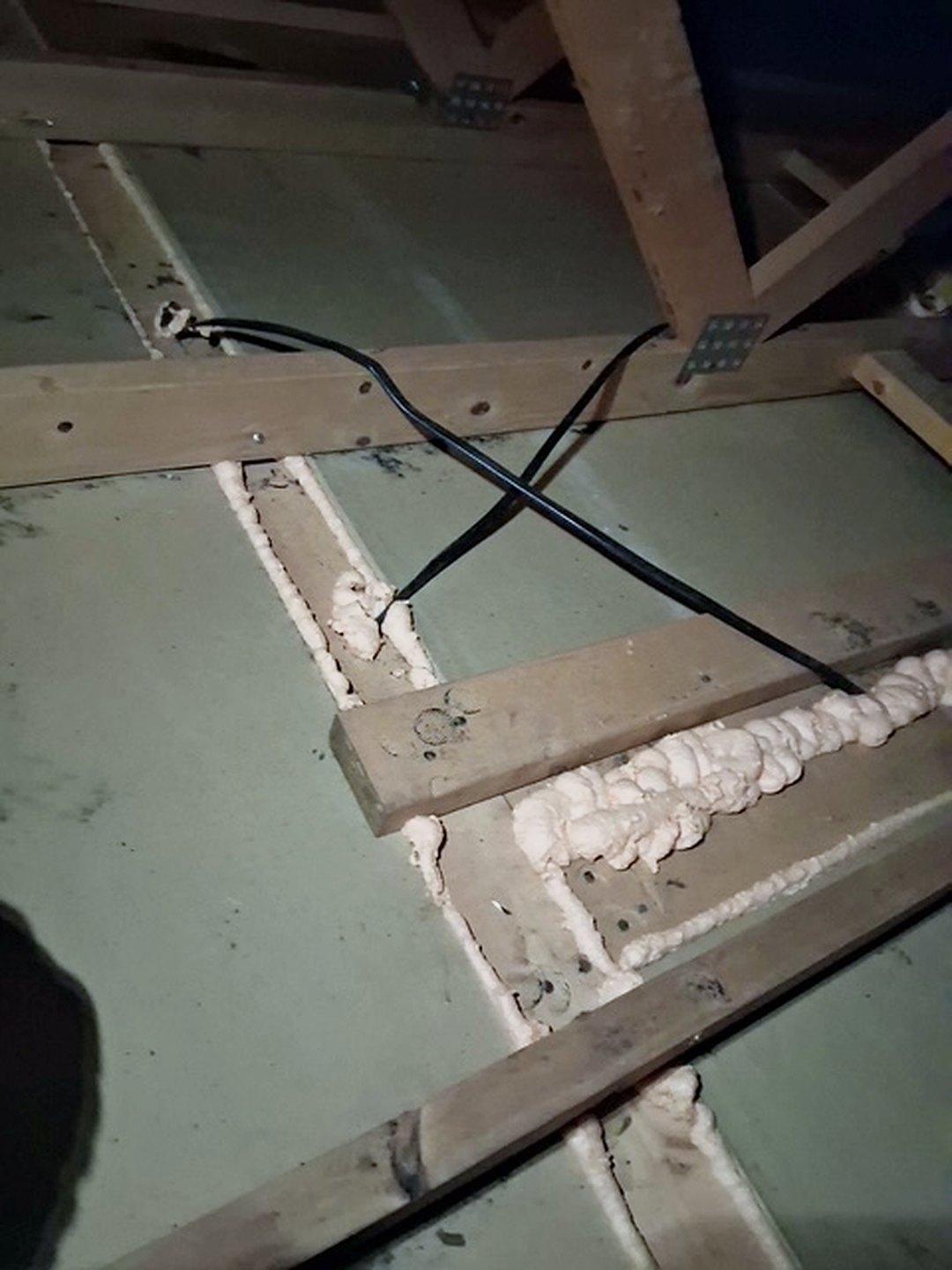
Air leaks make it worse. Every gap around a light fixture, bath fan, plumbing stack or wall top plate lets attic air move into the house — and lets cooled air escape upward.
Signs it's your attic
- Ceilings feel warm to the touch in the afternoon.
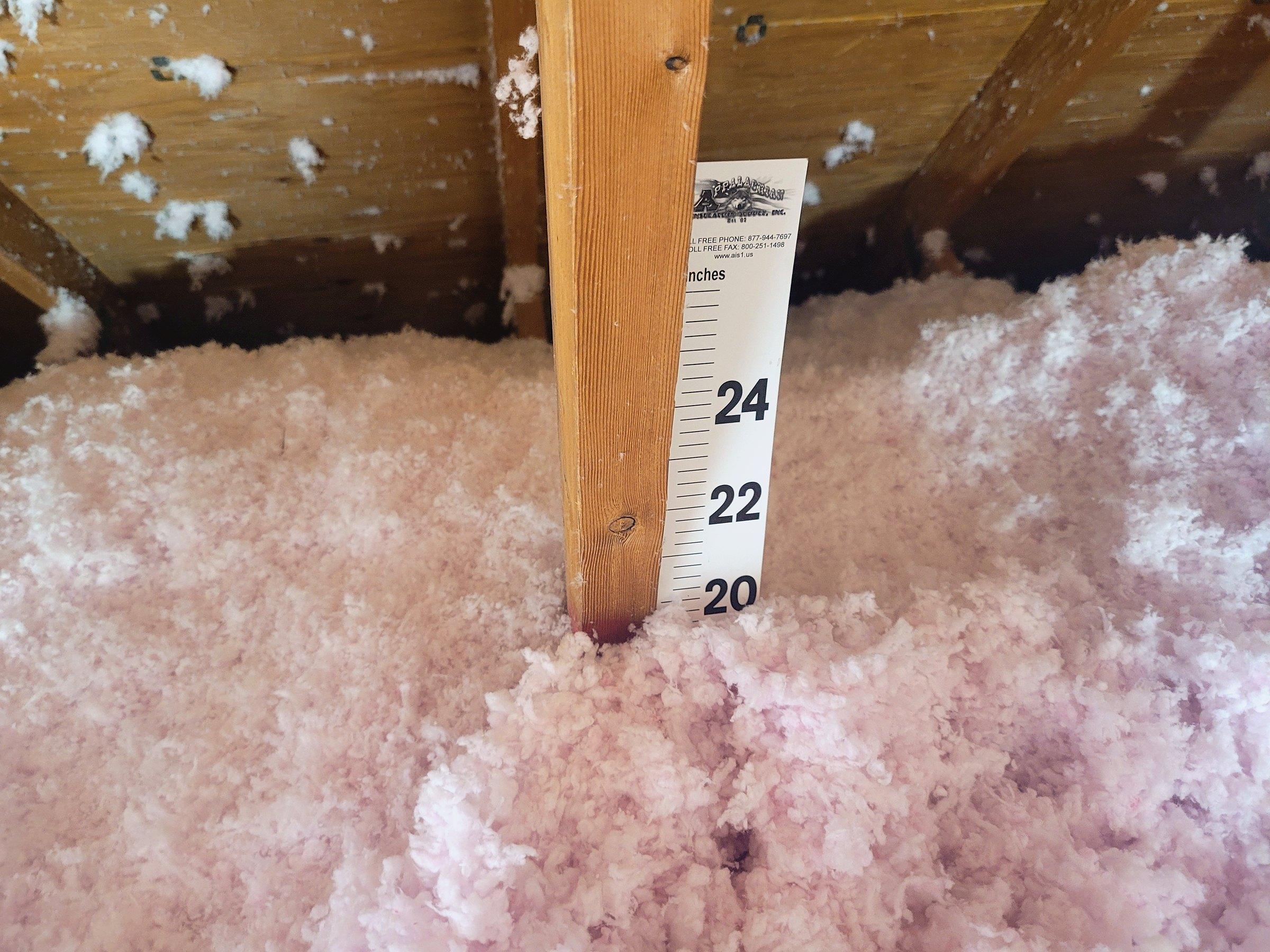
- Attic insulation is level with or below the tops of the ceiling joists (under about 8 inches).
- You can see dark, dirty spots in the insulation — that's air filtering through it.
- The upstairs is also the coldest part of the house in winter.
The order of fixes
Order matters. Once new insulation is blown in, the gaps on the attic floor are buried, so the sealing has to happen first.
- Air seal the attic floor. Insulation doesn't stop air. We seal top plates, light fixtures, fan housings and wire holes while they're still visible.
- Add insulation to R-60. ENERGY STAR recommends R-60 for attics in Denver's climate zone, and it's the level Xcel's attic rebate requires after the work.
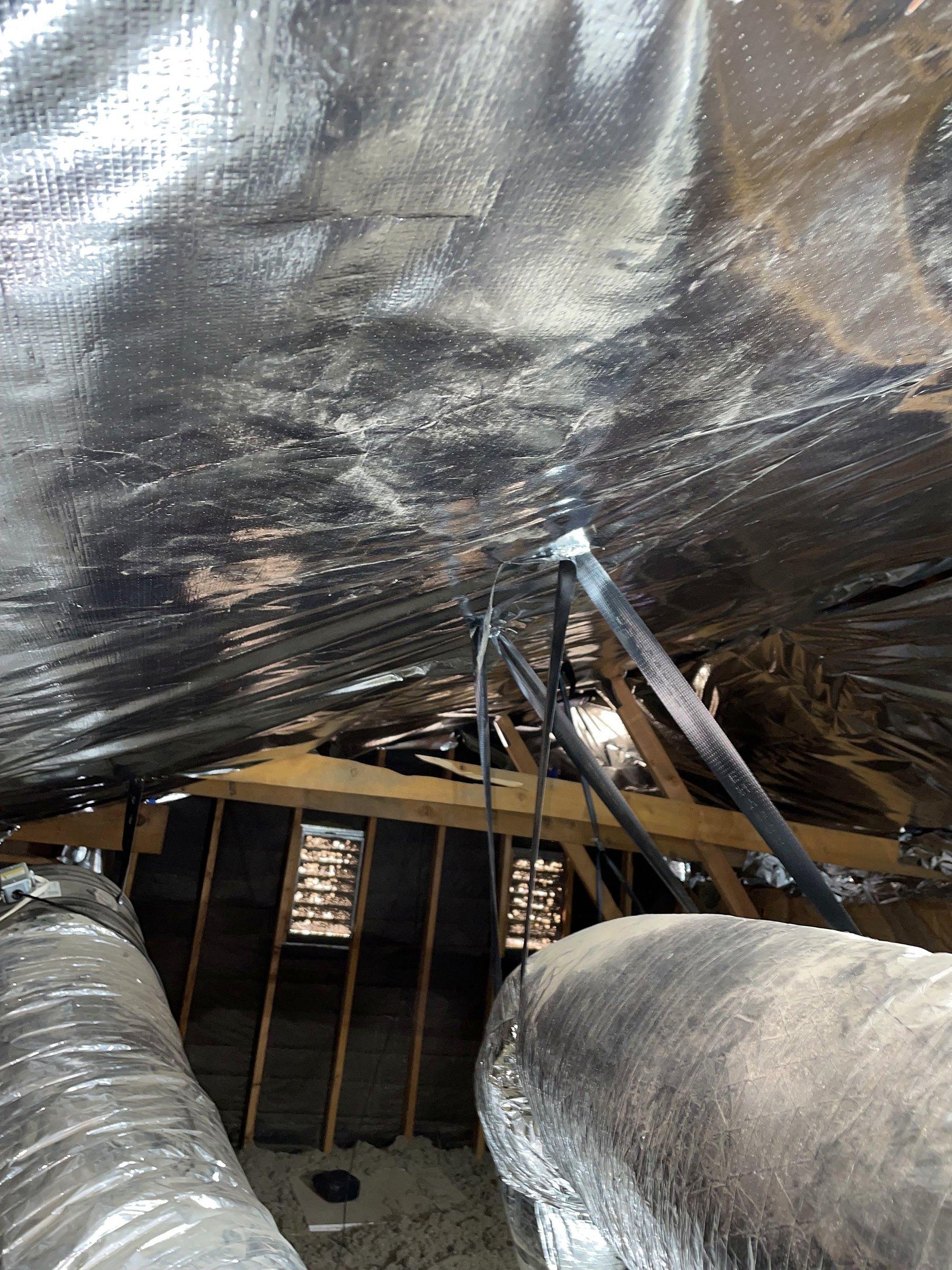
- Consider a radiant barrier if ducts or an air handler sit in the attic. It cuts the heat radiating off the roof deck in summer.
- Have the HVAC checked for a weak or blocked return upstairs. We'll tell you if we think that's part of it.
Quick test: on a hot afternoon, put your hand flat on an upstairs ceiling, then on an interior wall. If the ceiling feels noticeably warmer, heat is coming through from the attic.
What Xcel pays toward it
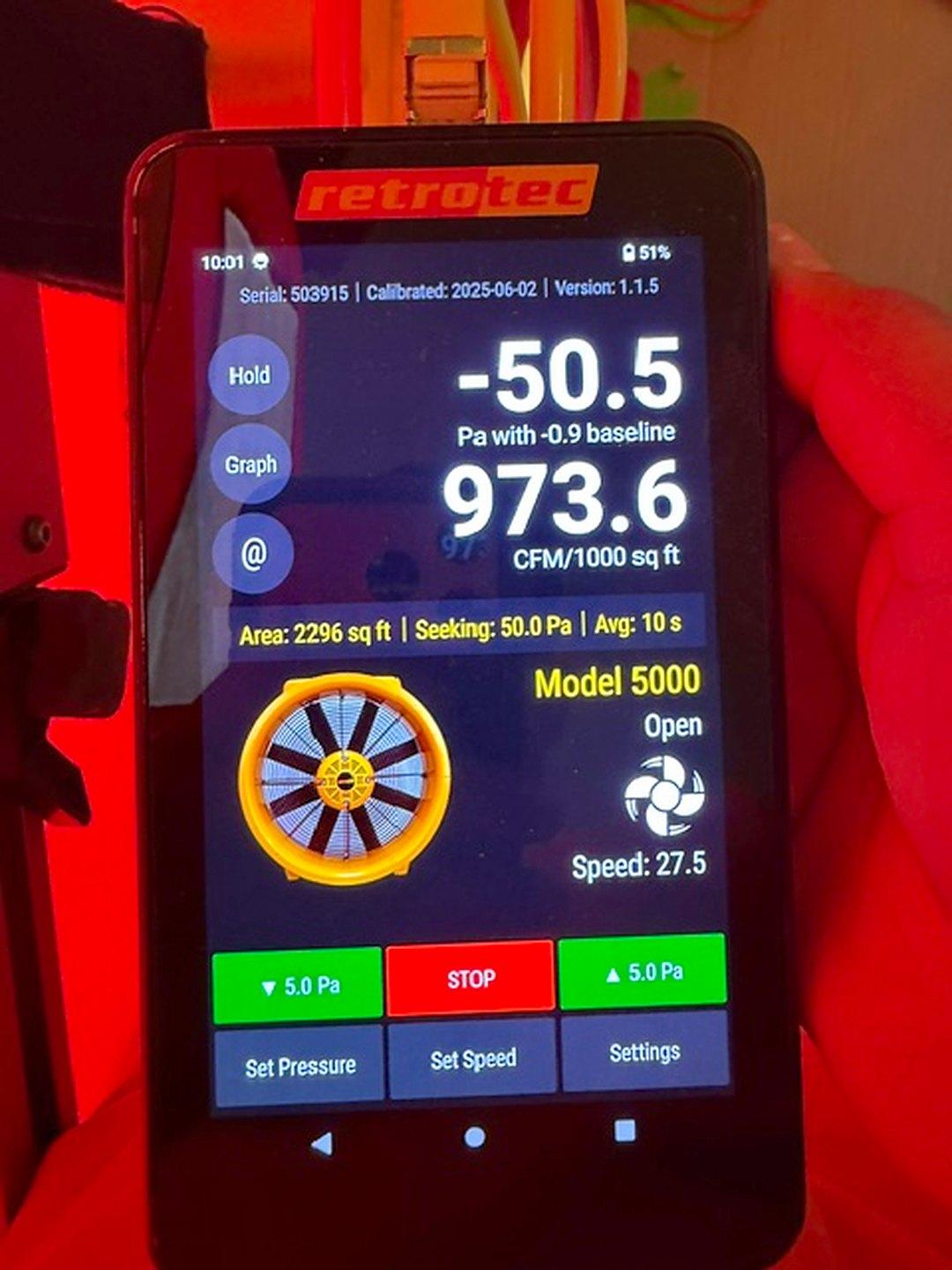
Xcel Energy has separate rebates for attic insulation and air sealing, and you can get both on one job. With Xcel natural gas heat, the maximums are $1,250 for attic insulation and $1,000 for air sealing, so up to $2,250 together. As a participating contractor, we run the before-and-after tests and file the paperwork.
Your price depends on the attic's size, what's up there now and how much sealing it needs. We measure and give you a written price at the free estimate. The cost guide explains what moves the number.